




IRS Notice Help & Explanations
Colorado Tax Updates
Colorado Tax Notices: What Residents Should Know About State Filing Requirements
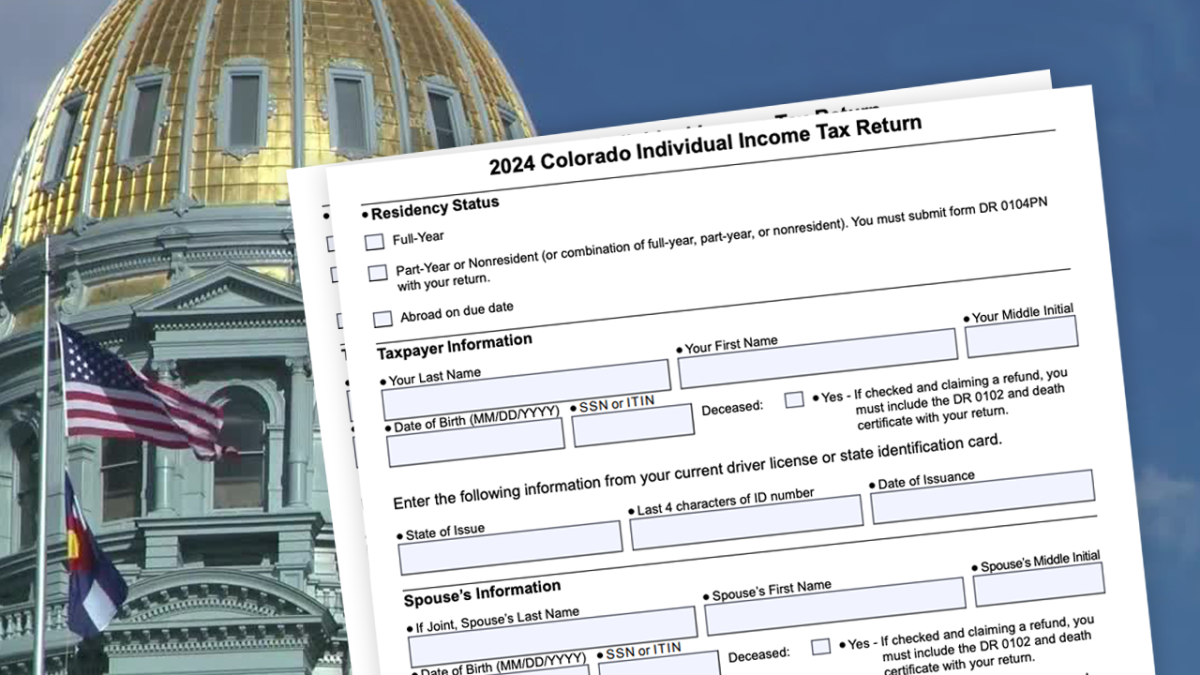
Colorado Tax Notices: What Residents Should Know About State Filing Requirements
Colorado taxpayers often assume that IRS rules and state rules are identical, but the Colorado Department of Revenue (DOR) has its own filing requirements, notices, and compliance standards. State notices can arrive for reasons ranging from simple missing documentation to unpaid balances or past-due returns. Understanding what these notices mean and how to respond helps Colorado residents avoid penalties and stay in good standing with the state.
This guide highlights the most common Colorado tax notices, why they are issued, and how taxpayers can respond confidently and correctly.
Why the Colorado Department of Revenue Sends Notices
Colorado DOR issues notices for several reasons, including:
- Missing, late, or unfiled state tax returns
- Underreported income or adjusted federal returns
- Unpaid balances or delinquent accounts
- Errors on a previously filed return
- Requests for documentation or clarification
- Updates regarding payment plans or compliance status
A notice does not always indicate a severe issue, but it should be reviewed carefully to determine the proper response.
Common Colorado Tax Notices and What They Mean
Balance Due Notices
These inform taxpayers that the state believes they owe additional Colorado income tax. The notice typically outlines tax owed, interest, and penalties. Balances can arise from wage withholding issues, estimated tax miscalculations, or changes to a federal return that flow into state calculations.
Delinquent Filing or Non-Filer Notices
Colorado may issue a delinquent filing notice if a taxpayer fails to submit a required state return. This often happens when income is reported to Colorado (via W-2s, 1099s, or other documents) but no return is filed.
Proposed Tax Adjustments
If the Colorado DOR identifies discrepancies between your state and federal return, they may propose adjustments. These can include underreported income, incorrect credits, or differences caused by IRS changes.
Identity Verification Requests
Like the IRS, Colorado issues identity verification notices to prevent fraudulent filings or refund theft. These require taxpayers to verify personal information or income data.
Payment Plan or Compliance Letters
These letters outline the terms of an installment agreement or notify taxpayers about outstanding obligations. They may also confirm approval or request updated financial information.
How to Respond to a Colorado Tax Notice
Review the Notice Carefully
The notice explains why it was issued, the tax year involved, and what action (if any) is required. Responding appropriately begins with understanding the purpose of the letter.
Verify Your Filing History
Confirm whether the referenced return was filed, filed late, or still missing. Compare information with your federal filings, especially if the notice mentions a mismatch.
Check for Accuracy
Taxpayers should confirm that income, withholding, and credits reported to the state match their own records. Errors can often be corrected with documentation.
Respond Within the Timeframe Provided
Many notices include deadlines. Timely communication prevents additional penalties and demonstrates compliance.
Evaluate Whether Additional Filings Are Required
Colorado may request supporting documents, amended returns, or proof of identity. Responding quickly helps the state process your case without delays.
When Professional Support Can Help
Colorado issues can be complex, especially when:
- A state balance appears unexpectedly
- A federal adjustment triggers a state change
- Past-due returns span multiple years
- A taxpayer receives repeated or escalating notices
- The notice indicates possible collection activity
A licensed professional can review transcripts, identify discrepancies, communicate with state agencies, and determine the best response strategy.
How Alpine Tax Resolution Supports Colorado Taxpayers
Alpine assists Colorado residents with state tax notices, unfiled returns, payment plan support, and transcript review. We help taxpayers interpret Colorado DOR letters, understand next steps, and prepare any required filings in a clear and supportive way. Our approach emphasizes clarity, compliance, and long-term stability, without scare tactics or pressure.
Sources
Colorado Department of Revenue – Taxpayer Notices and Guidance
https://tax.colorado.gov
Federal Tax Information – USA.gov Index
https://www.usa.gov/taxes


Have questions or need guidance? Send us a message and our team will reach out with next steps...
Thank you! Your submission has been received!
Oops! Something went wrong while submitting the form.